Postal Address: Sofia 1606, Postal code 111
Bulgaria
www.tradeka.bg
office@tradeka.bg
phone. +359887421691

BULGARIA
BULGARIA
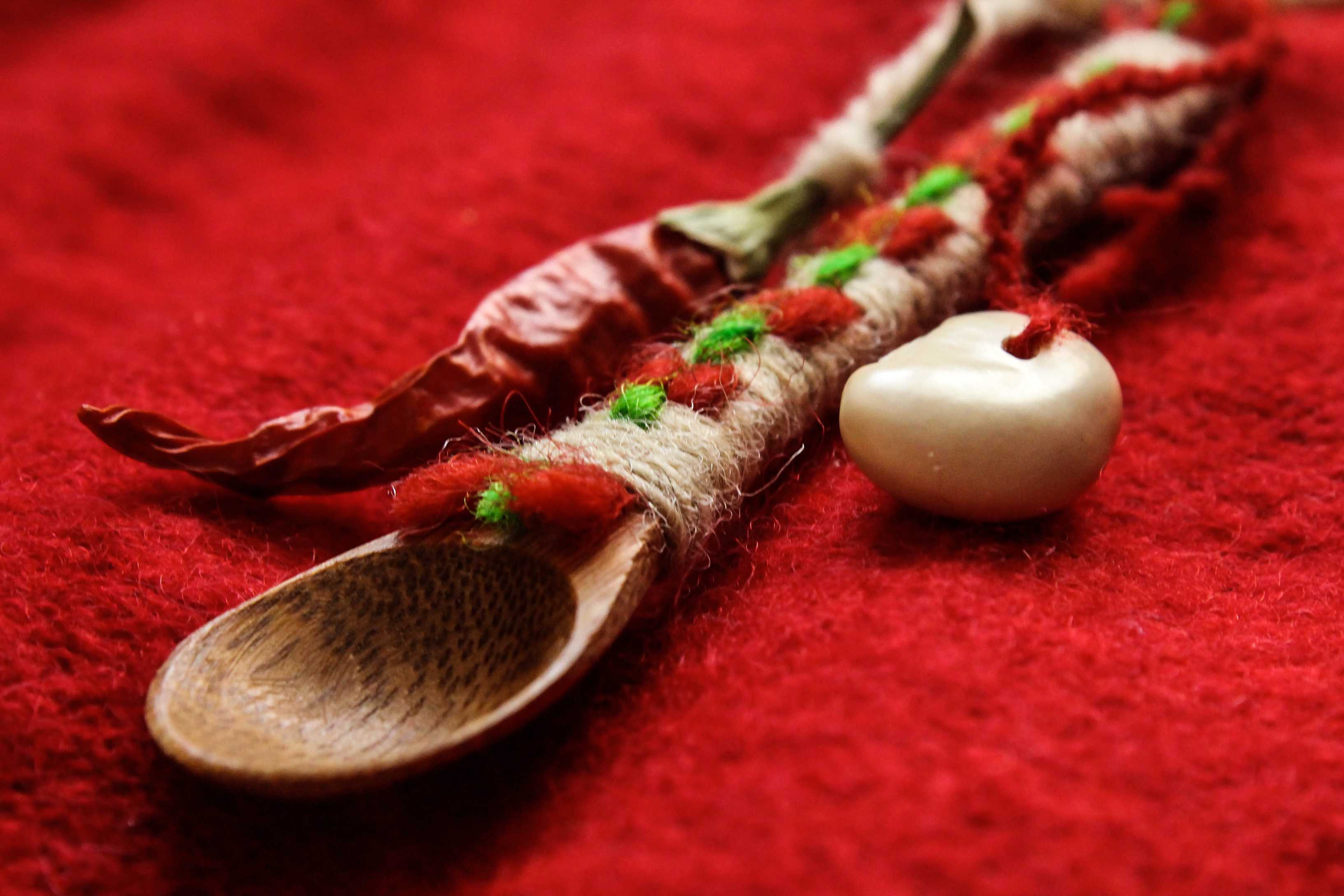
Known for its lavender and roses...
...for its people, alphabet and orthodox religion, for its historical pride and modern sins, Bulgaria has
always been rather humble with its cuisine.
Oriental, Mediterranean and mainland European trends have mixed for centuries with the old Bulgarian
ways in the kitchen, always paying respect to the generosity of nature.
Modern Bulgaria is creative, enchanting, proud and impatient to share its tastes and flavours with the
world.
BANITSA
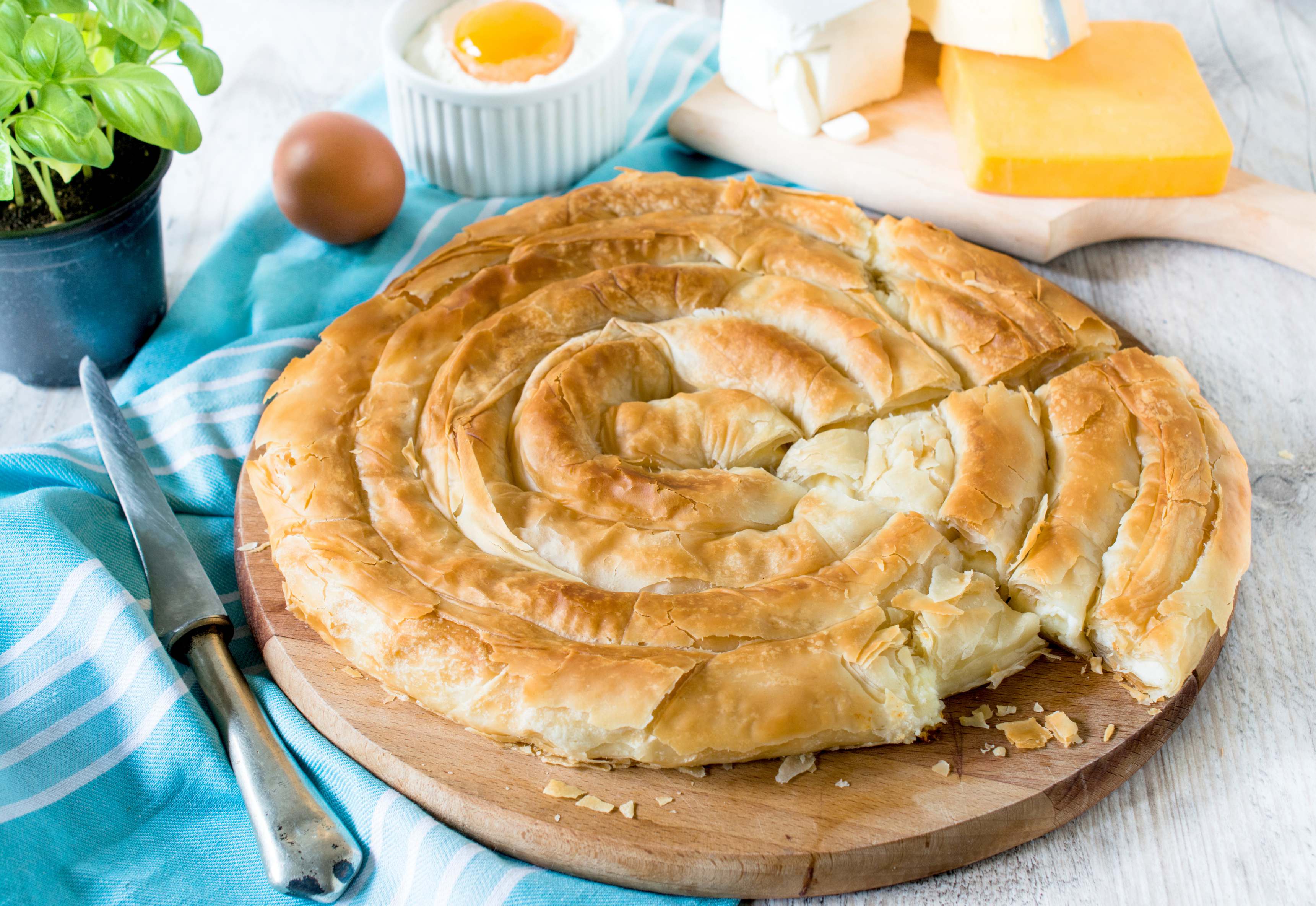
Banitsa
The most traditional of Bulgarian foods. It is similar to the pirog, pita, pie, strudel, klin, plăcintă,
börek common for other parts of the Balkan Peninsula and Europe, yet it is fervently preserved as a typical
Bulgarian meal.
In terms of shapes and fillings the banitsa is a universe in itself and varies from the most common
and widely appreciated type – with whisked eggs and pieces of cow’ milk cheese - to variations featuring
fillings of meat (different minced meats and chicken, even fish), vegetables (cabbage, marrows, onions,
leeks, spinach, nettles, docks and potatoes), fruit (the most popular one is with apples and pumpkin),
pulses (grits, rice), even with halva and Turkish delight.
The life of Bulgarians constantly provides occasions for preparing and eating banitsa: for the poor
and lonely it is a substitute for human company as they visit their local pastry shop every morning,
for the kids and schoolchildren – a breakfast at home or on the move, for the families – a Sunday ritual
as they gather around the table. On a quiet evening it often offers an easy supper solution to the weary
housewife, and it’s not infrequent that delivery guys walk around the glass offices of the city carrying
large boxes of hot banitsa. Marriages, baptism ceremonies, engagements, separations, funerals, quarrels
and betrothals… all events in the life of a Bulgarian take place around a baking pan of banitsa. Its
shapes are different, the recipes innumerable, even its names vary in the different regions of the country,
but its place as symbol of domestic comfort and well-being is deeply ingrained in the heart of every
Bulgarian, anywhere in the world.
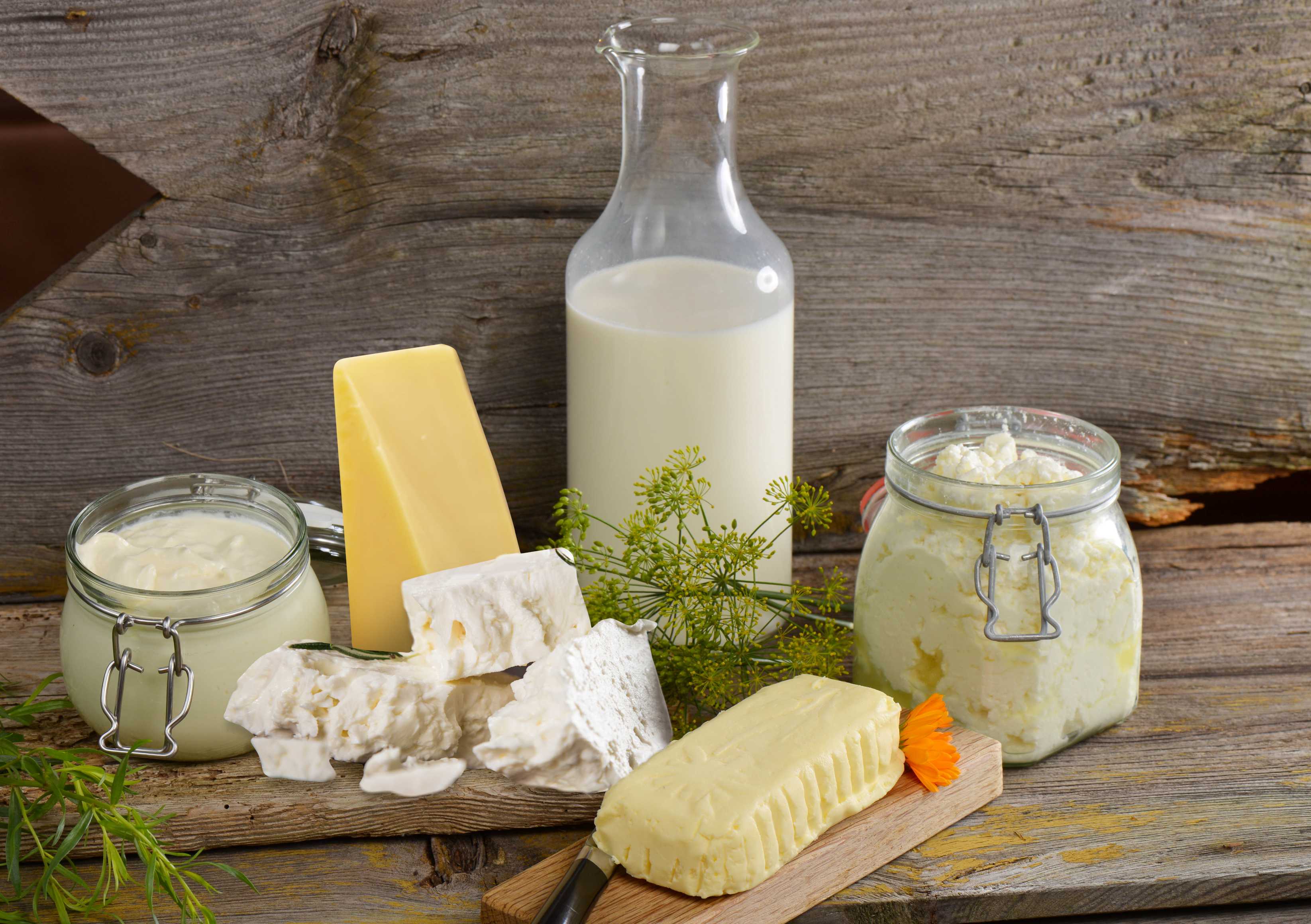
Dairy products
Here’s something that every Bulgarian takes great pride in.
Soured milk
The rest of the world calls it yogurt, thus blending it with a larger and diverse group of products; still,
Bulgarians insist on the „soured milk“ designation standing for a patented dairy product acidified with
the locally isolated bacteria Lactobacillus bulgaricus и Streptococcus thermophilus. Bulgaria is famous
for its soured milk since the beginning of the 20th century, when the product became a basic component
of various longevity diets.
„There’s something in the air…“
White brined cheese
The traditional Bulgarian white brined cheese is prepared from sheep’s milk or a mixture or sheep’s and goat’s milk. In more recent times cow’s milk cheese has taken precedence becoming a must-have product in every Bulgarian fridge. It is used in salads, starters, soups, main dishes, even is some desserts. For instance, at least half of the Bulgarians across the world will tell you that in a hot summer day they would have cheese with water melon slices rather than a regular lunch.
Kashkaval
A few people take interest in the legends of kashkaval’s origin. It is probably related to the Italian specialty Caciocavallo, with the skills for its preparation coming to our lands along the ancient Roman road Via Egnatia.
Together with the multiple yellow semi-hard cheeses from Europe, generally liked in Bulgaria, it is thoroughly enjoyed as an appetizer or breakfast ingredient with a tender creamy taste and dense, elastic consistence.
DAIRY PRODUCTS
MEAT SPECIALTIES
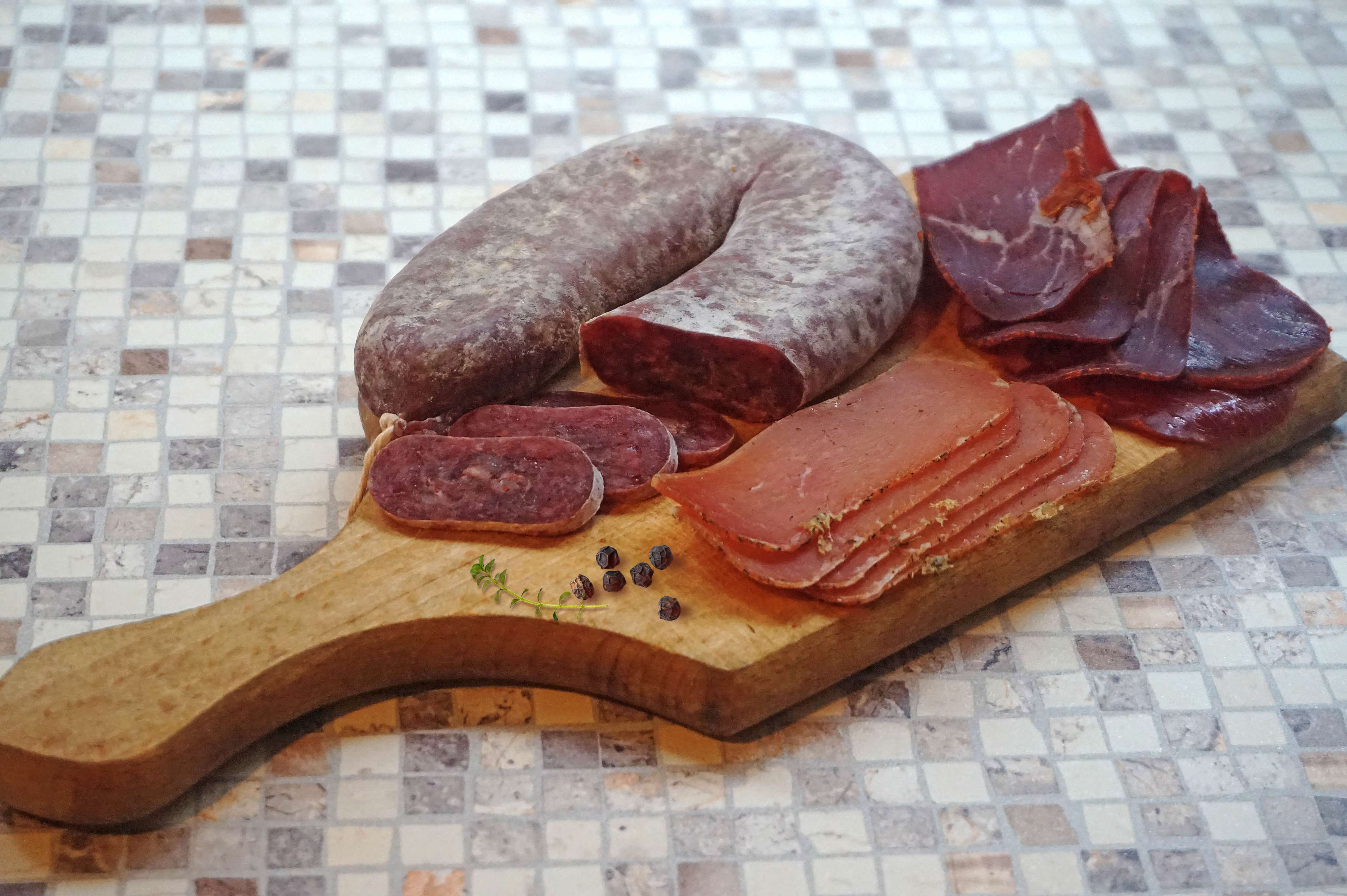
Meat spacialties
„There’s something in the air…“ You’ll probably hear that explanation if you walk through the streets of the old Bulgarian town Elena situated in the skirts of Stara Planina mountain and ask the locals what is it about this place that gave rise to the age-old tradition of curing fillets and legs of pork.„There’s something in the air …“, they’ll tell you in Panagyurishte, another town at the foothills of Stara Planina, if you happen to wonder about the white fungus covering their lukanka.
Bulgarians like their salami and dried meats; the salted, cured, smoked delicacies made of pork, beef, veal, game and poultry have been a sign of prosperity for centuries. Even today, the hospitable Bulgarian will welcome you with a plate of thinly sliced appetizers and a pitcher of red wine.
For the people not familiar with Bulgarian cuisine we’ll present the most popular meat appetizers:
Lukanka - semi-dried minced pork meat with onions and condiments in a straight flat shape;
Sujuk – semi-dried minced mix of pork and beef or 100% veal, spiced and pressed into the shape of a horseshoe;
Pastarma, Elena fillet, Trakia collar – these are all salted and cured whole chunks of meat, pure or seasoned with traditional local spices.
Today, the fervently kept old recipes are marked with the EU label „traditional speciality guaranteed”
Vegetables
Bulgarian gardeners were well-known in Europe as early as the 18 c. Word of mouth about the Bulgarian vegetables spread all along Danube River, and later in France and Switzerland. By the end of the 19th century their fame had even reached the shores of the New World. They had been considered the best commodity on the city markets of numerous European settlements.Today, after long period of rise and decline, Bulgarian horticulture is thriving again, with some almost forgotten specific sorts of fruit and vegetables enjoying a revived popularity.
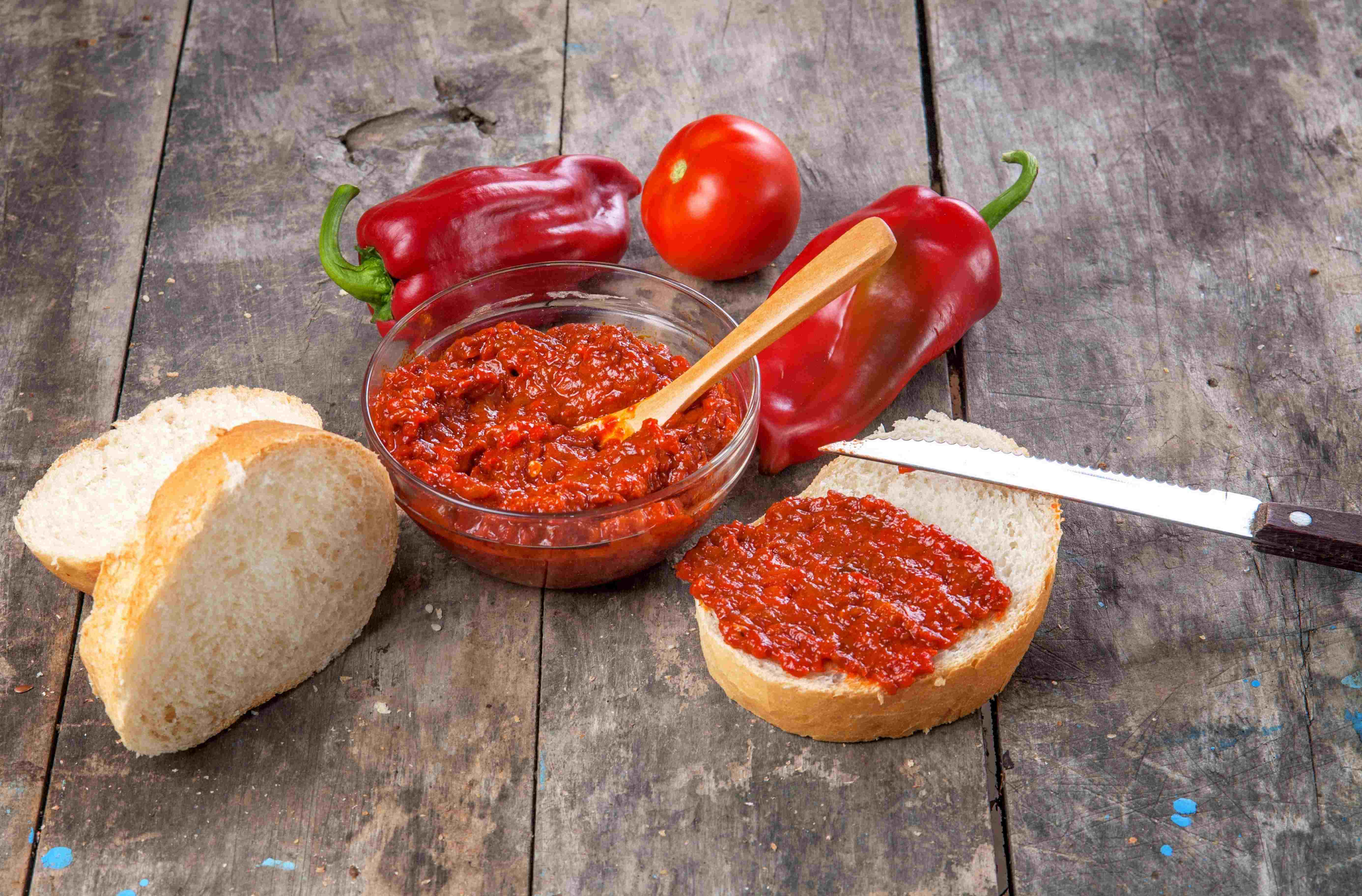
The taste of sun-grown Bulgarian vegetables is indisputable, and local people have the unique skill to „preserve sunbeams“ and enjoy tasty vegetable meals even in the year’s coldest months. The hectic work related with the preservation of fruits from our gardens begins as early as June with the scent of boiling strawberry and apricot jams and ends with the first October frost permeated with the smoke from pepper roasting and the simmering of lyutenitsa.
Lyutenitsa:
There isn’t a universal recipe for lyutenitsa, but it is usually prepared from finely ground tomatoes, roasted peppers, aubergines, sometimes even carrots sprayed over with herbs and spices individually selected by each particular household. Bulgarians love it from their childhood and use it as side dish for grilled meat, as a light supper, for breakfast and especially on a loaf of bread with added pieces of white cheese.
VEGETABLES
JAMS AND TAHINI
Jams and tahini
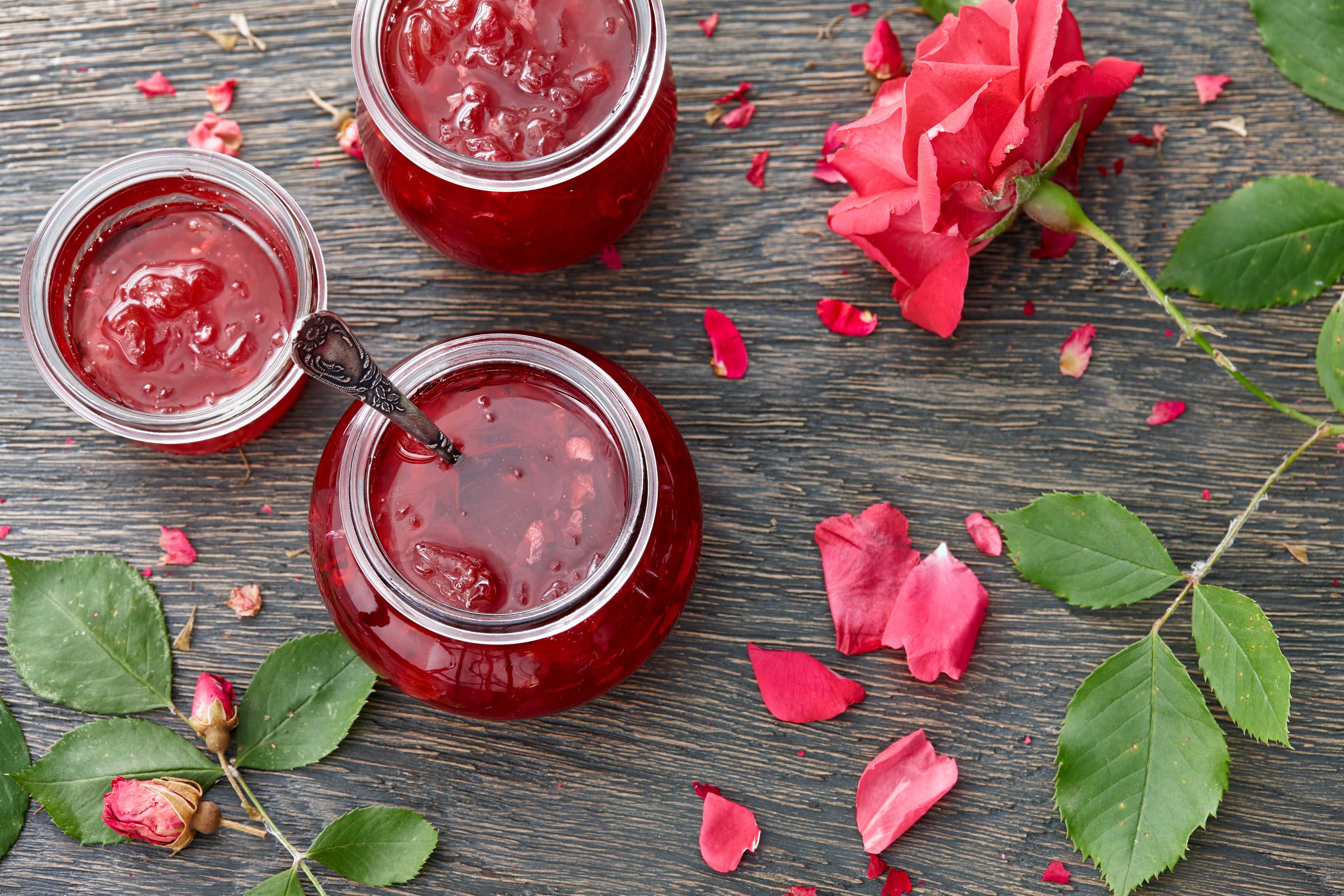
Preserve from green unpeeled walnuts, from whole green figs, from young pine tips, and why not from rose petals as well? Bulgarians are quite pragmatic in the kitchen and for centuries have preserved the fruits of the earth in all their fanciful shapes and flavours.Seducing our senses and good for our health, jams make winter days brighter and the pancakes on Saturday morning more delicious than ever.
Tahini:
It is an old tradition in the Eastern Rhodopes area to grow and grind sesame, and now this craft enjoys a growing popularity. Recently it has developed into a modern production industry using more and more diverse and healthy seeds and nuts. Hazelnut tahini with honey and cinnamon can be more enticing than a chocolate bar.
Herb and spices
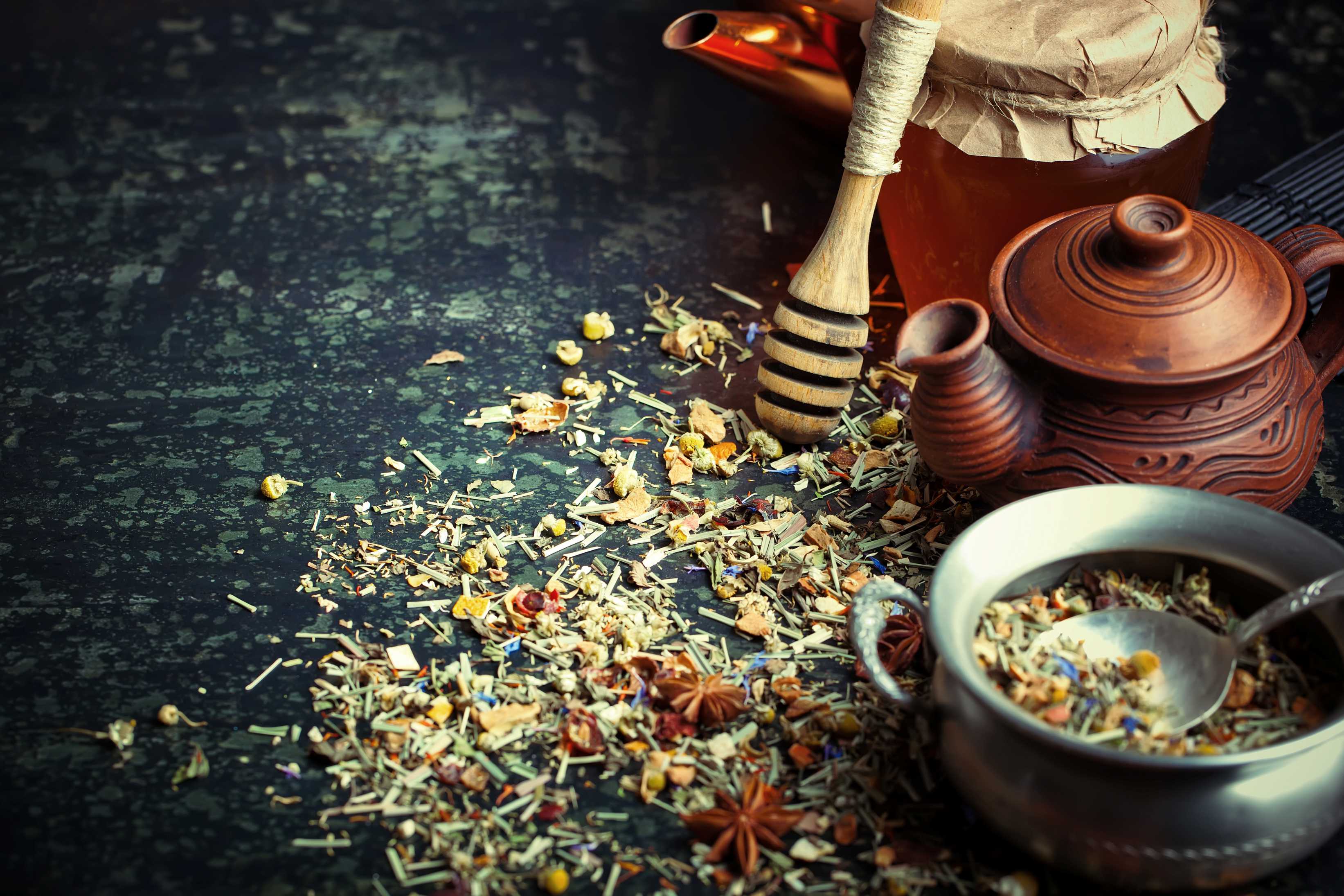
Saint John’s Eve, a sweet-smelling day in June, in which according to traditional beliefs we are supposed to bathe in morning dew for good health, and young girls pick herbs in the forest clearings. Bulgarians have chosen this special day and celebrate it as a tribute to herbs. From ancient times they believe in the power of nature, a connection which they try to keep alive, even in today’s dynamic world, with a sachet of herbs and a jug of hot water.Against colds or fatigue, for refreshment and tonus, in the midst of a trek in the mountain or instead of a morning coffee, you can enjoy a hot infusion of linden, mint, common wort, camomile and numerous dried fruits and berries. The scent is enchanting and definitely „there’s something in the air …“!
As for the effort to distinguish the herbs for tea from the condiments for cooking, it’s rather futile. Peppers, savoury, cumin seed, pennyroyal, oregano, thyme and lovage, it’s a long list. Their reason for existing in our cuisine with their different purposes and in various combinations is rooted in the long history, the benevolent nature and the geographical location of an important age-old crossroad.
HERBS AND SPICES
www.curious-tastes.eu
export@curious-tastes.eu
Curious Tastes is a Tradeka Ltd. brand.
export@curious-tastes.eu
Curious Tastes is a Tradeka Ltd. brand.